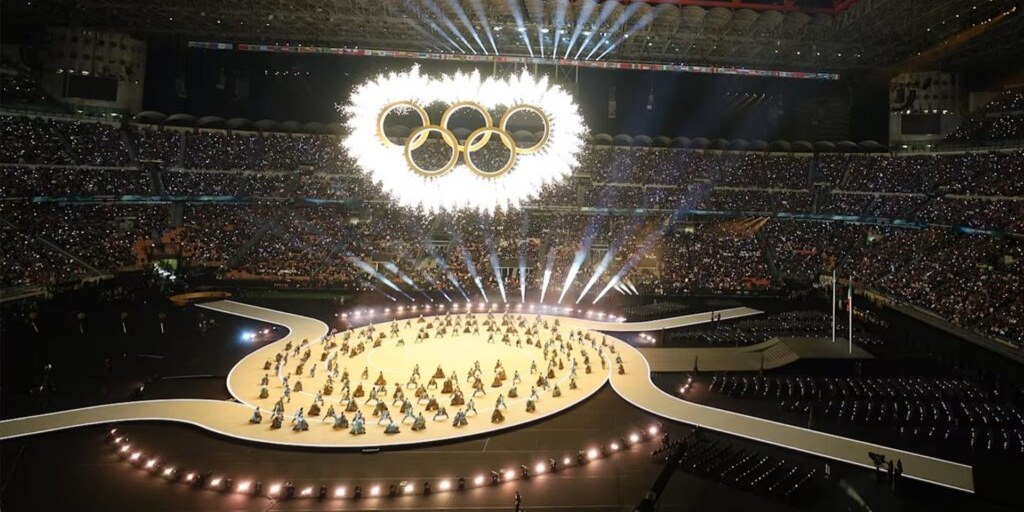
In summer 2024, Paris filled stadiums with millions of visitors flying in for two weeks. This winter, Milano-Cortina is already pushing the limits of what "winter" means. The real question is not where the Winter Olympics should go next, but what they should become.
What the Games should become
I argued nine months ago that we cannot keep copying a fragile winter-only model into increasingly fragile landscapes. The future of the Olympics is not about chasing colder places. It is about redefining the relationship between sport, nature, and territory.
An Olympics of outdoor sports
One direction feels obvious: an Olympics of outdoor sports.
Sports rooted in real landscapes, practiced across seasons, and deeply connected to the outdoors. Mountain biking, trail running, rock climbing, white-water kayaking, ski mountaineering. Disciplines that already exist, already thrive, and already attract a new generation.
These are not just sports. They are ways of inhabiting nature responsibly.
Lighter infrastructure, stronger meaning
Unlike the Summer Olympics, which are inseparable from megacities, stadiums, and carbon-heavy logistics, Winter Olympics have always been centred on mountains and natural sites, far away from major urban centres. An Outdoor Olympics could be decentralized, landscape-first, lighter in infrastructure, and stronger in meaning.
Our mountains, valleys, rivers and forests are already the most spectacular stadiums on Earth.
Why this matters for mountains in every season
This is exactly the question we explore with Mr. Alps: how mountains can thrive in every season, without fighting reality.
The Games are on. The debate should be too.